A good home security checklist for Kenyan homes works in layers: a strong perimeter (wall, electric fence and gate), detection (alarm and sensors), visibility (CCTV and lighting), controlled access (intercom and gate automation), backup power so everything works during outages, and good daily habits. No single gadget keeps you safe; each layer slows an intruder down and makes your home a harder target.
Many homeowners invest in one item, such as cameras, and assume the job is done. Then a break-in happens during a blackout and the cameras were off, or the fence had not been shocking for months. Use this checklist to find the gaps in your home security and fix them in the right order.
Why a layered approach to home security works
Security professionals think in terms of deter, detect, delay and respond. An intruder who sees a live electric fence, bright lights and cameras will often move on. If they do not, alarms detect them, physical barriers delay them, and you, your guard or your response provider have time to act. Each layer covers the weaknesses of the others.
Layer 1: Perimeter security
Your perimeter is the first thing an intruder sees and tests.
Perimeter checklist
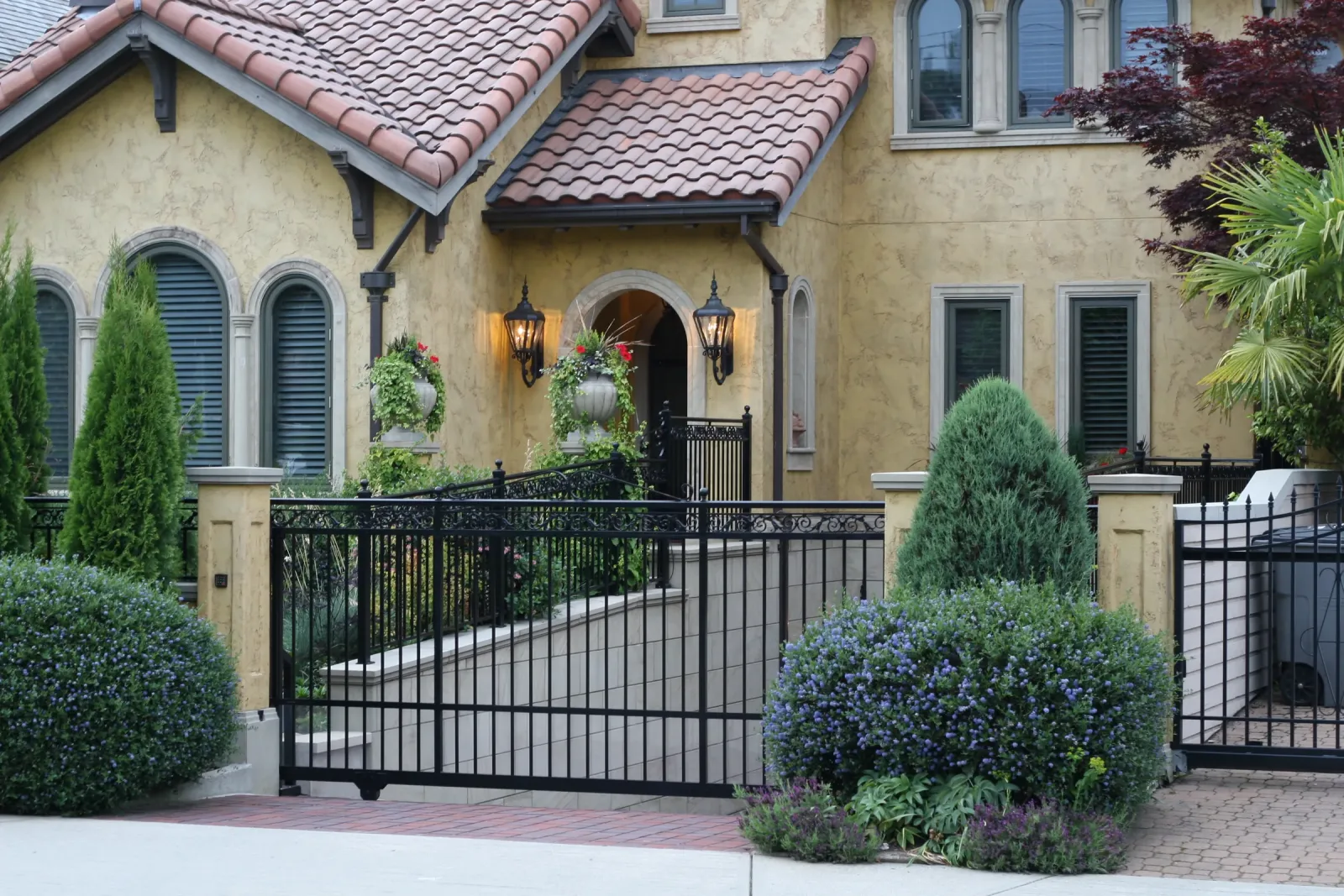
- Wall or fence: solid, in good repair, with no gaps, low sections or trees and structures that make climbing easy.
- Electric fence: properly tensioned wires, a working energiser, good earthing and warning signs. Test it regularly; a fence that does not shock is only decoration.
- Gate: strong frame, secure hinges or rail, anti-lift brackets and a reliable lock.
- Vegetation: trim hedges and trees near the wall so they do not hide intruders or provide a ladder.
- Secondary entrances: back gates, pedestrian gates and service entrances get the same attention as the main gate.
For details on design and maintenance, read our electric fence installation guide.
Layer 2: Detection with alarms and sensors
Detection tells you, and others, that someone has crossed the line.
- Alarm panel: with a siren loud enough to alert neighbours and a backup battery.
- Door and window contacts: on all ground floor entry points.
- Motion sensors: inside key areas such as corridors, living rooms and store rooms; pet-friendly sensors are available.
- Outdoor beams: to detect movement in the compound before anyone reaches the house.
- Panic buttons: in the master bedroom and other key rooms.
- Fence alarm: many electric fence energisers can sound an alarm if wires are cut or shorted.
- Phone alerts: some systems can notify your phone or a response provider when triggered.
Layer 3: Visibility with CCTV and lighting
CCTV checklist
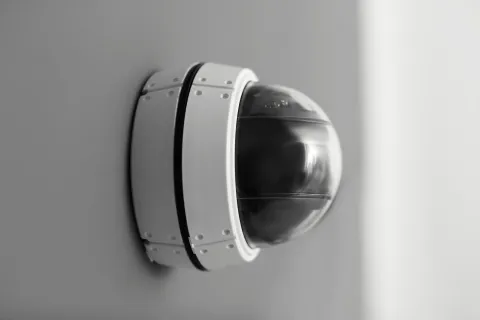
- Cameras covering the gate, perimeter walls, driveway, parking and all entry doors
- Night vision suited to the distance each camera covers
- A recorder (DVR or NVR) installed in a hidden, secure location, not in plain sight
- Enough storage to keep footage for as long as you need it
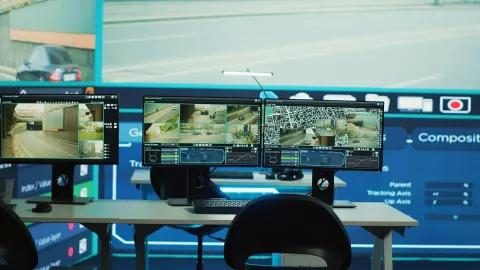
- Remote viewing on your phone so you can check in when you are away
- Correct camera angles that capture faces and number plates, not just rooftops
Unsure where to start? See how much CCTV installation costs in Kenya and how to view CCTV on your phone.
Security lighting checklist
- Lighting along walls, at the gate and around the house, with no dark corners
- Motion-activated floodlights in areas that do not need light all night
- Lights on a timer or photocell so they come on even when you are away
- Lighting that helps your cameras see, without shining directly into their lenses
Layer 4: Access control
Many incidents happen when someone is let in, or follows a car through the gate. Controlling access closes that gap.
- Intercom or video intercom: see and speak to visitors before you open the gate.
- Gate automation: open and close the gate from the car, so you do not have to get out at night, and close it promptly behind you.
- Remotes and keypads: use rolling-code remotes and change codes when staff or tenants leave.
- Visitor routine: confirm deliveries and service visits before opening.
- Key control: know who has keys and remotes, and recover them when people move on.
Choosing a motor? Our guide on how to choose a gate motor explains the options.
Layer 5: Backup power for your security systems
Power cuts are a common reality, and they often happen at night or during heavy rain. If your security depends on mains power alone, it can fail at the worst moment.
- Electric fence energiser with a backup battery
- Alarm panel with a charged backup battery
- CCTV recorder, cameras and router on a UPS or inverter so recording continues
- Gate motor with battery backup so the gate still opens and closes
- Security lights on an inverter, solar or generator circuit
- Batteries tested and replaced on schedule
Read more in power backup options for blackouts.
Layer 6: Habits and people
Technology works best alongside good routines.
- Lock doors and windows, even when you are home during the day.
- Do not announce travel plans on social media until you are back.
- Vet domestic staff and contractors, and brief them on security routines.
- Agree a plan with your household on what to do if the alarm goes off.
- Where available, guards and neighbourhood watch arrangements add another layer of eyes on the street.
- Check your systems regularly: test the fence, the alarm siren and camera recordings.
Where to start if your budget is limited
You do not have to do everything at once. Start by fixing what is broken: repair the wall, get the electric fence shocking again and replace dead alarm batteries. Next, add lighting and cameras at the gate and main door, since that is where most activity happens. Then add backup power and access control. A site survey helps you prioritise based on how your property is actually laid out.
Quick home security checklist
- Wall, gate and fence in good repair
- Electric fence tested and shocking
- Alarm with sensors and panic buttons
- CCTV covering all entry points, with remote viewing
- Bright, well-placed security lighting
- Intercom and automated gate for controlled access
- Backup power for every security system
- Clear household routines and regular testing
Key takeaways
- Security works in layers: perimeter, detection, visibility, access, power and habits.
- A fence that does not shock or a camera that is not recording gives false comfort.
- Backup power keeps your systems working during blackouts.
- Regular testing matters as much as the equipment itself.
Close the gaps in your home security
Most homes have at least one weak layer, whether it is a dark corner, a fence that has stopped working or cameras with no backup power. Nerpax supplies, installs and commissions complete security systems, including CCTV, electric fences, alarm systems, intercoms and gate automation, with one accountable team from survey to handover.
Book a site visit and we will walk your property, check each layer and recommend practical improvements that fit your budget.